Hotline: +886-3-5888667


Glass Fiber Filter Bag Manufacturing
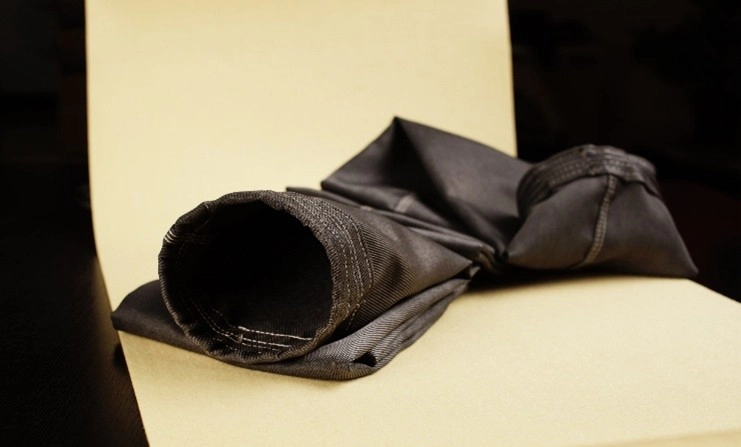
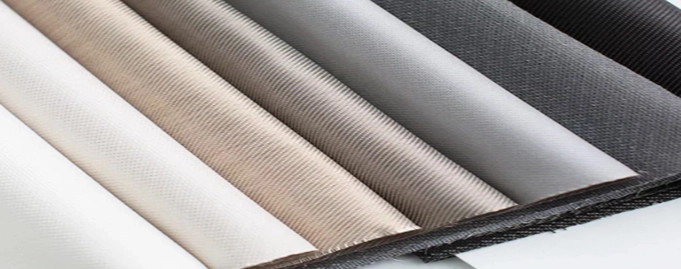
FILTER's glass-fiber filter bags are produced through a fully integrated “sand-to-bag” process using the latest pool-furnace-drawn glass yarn, ensuring superior uniformity, tensile strength, and thermal stability.
End-to-End Integrated Production Workflow:
Silica sand → Melting & fiber drawing → Expansion → Twisting → Weaving → Acid/heat treatment → Coating/PTFE lamination → Inspection → Final sewing.
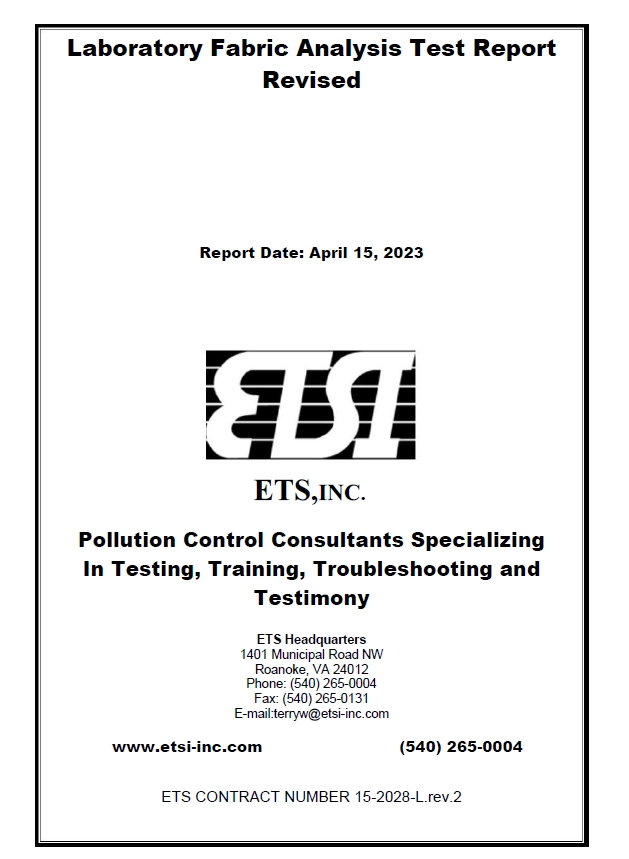
ETSI | Certification & Filtration Performance
FILTER glass-fiber media are certified by ETS (Environmental Testing Services, USA) and validated through VDI 3926 filtration-efficiency testing, ensuring world-class reliability. (Heat Shrinkage)
✔ Heat-shrinkage stability
✔ Breaking strength
✔ Air permeability
✔ FTIR material verification
✔ Filtration Efficiency (VDI 3926)
ETS and VDI-certified bags withstand extreme temperature, pressure, and corrosive conditions, ideal for steel, incineration, cement, and energy applications.
Industrial Applications
With exceptional heat and chemical resistance, FILTER’s glass-fiber bags serve steel, incineration, biomass, cement, and chemical industries.
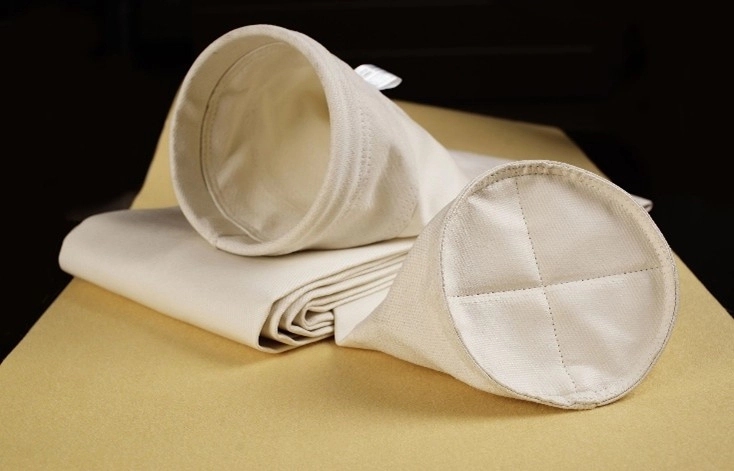
Reverse-Air & Pulse-Jet Designs
Our bags can be customized to match your equipment specification:
Reverse-Air: Lightweight with excellent air permeability, ideal for low-frequency cleaning. Can be combined with composite post-treatments such as PTFE membrane lamination, anti-acid coatings, and anti-hydrolysis treatments.
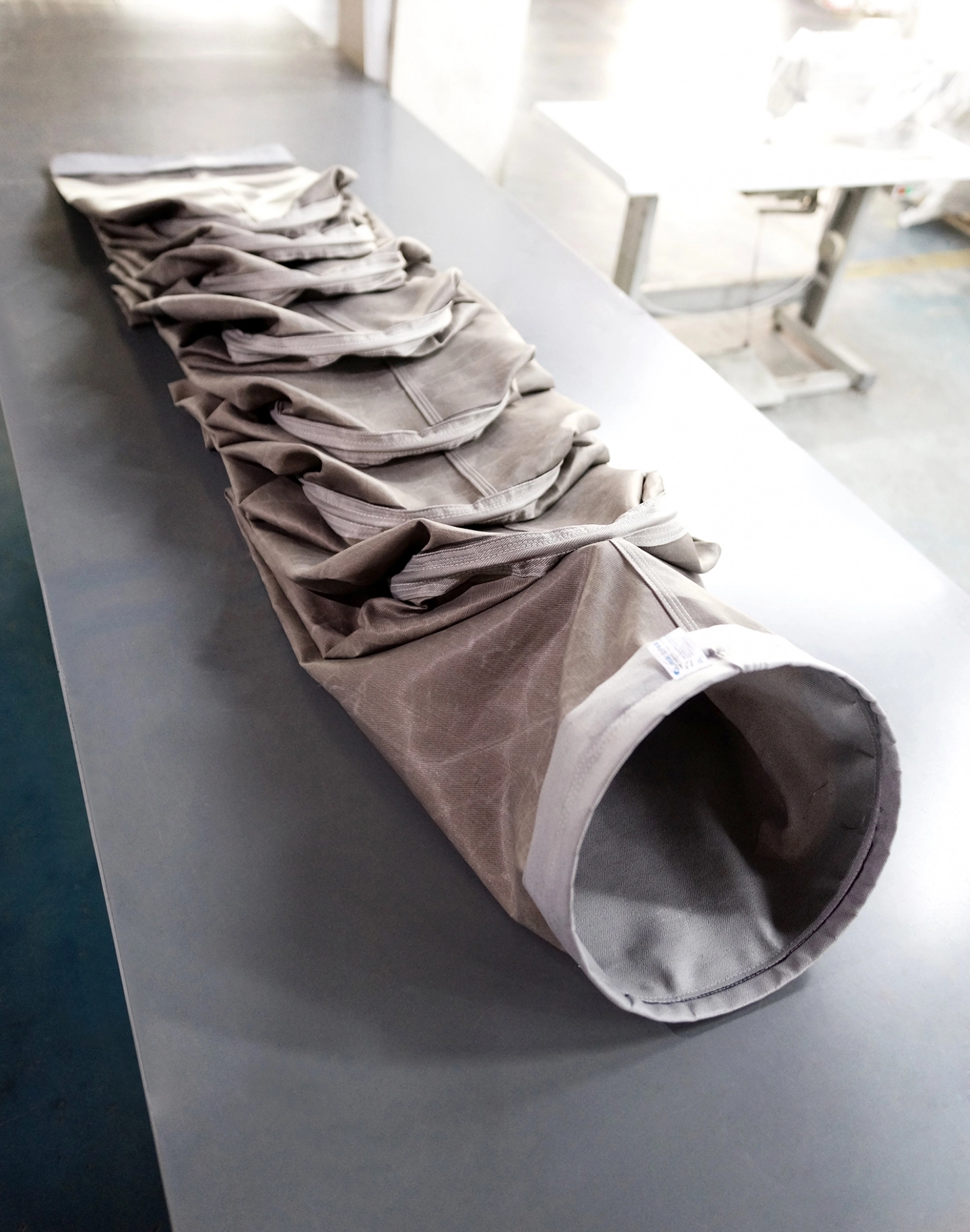
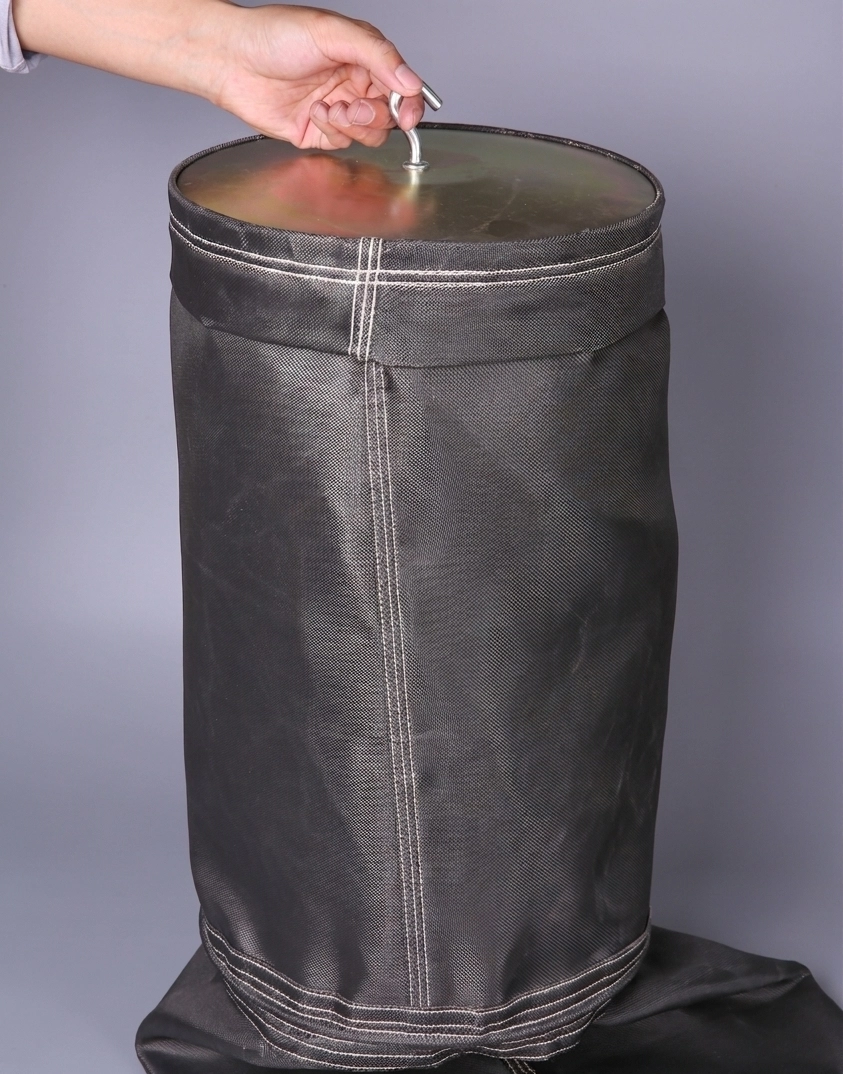
Pulse-Jet: Thick structure with high mechanical strength, built to withstand frequent high-pressure pulse cleaning. Can be combined with composite post-treatments such as PTFE membrane lamination, anti-acid coatings, and anti-hydrolysis treatments.